Thinking about selling in Greenwich and wondering when to put your home on the market? You are not alone. Timing can influence how fast you sell, your leverage in negotiations, and the final price you achieve. In this guide, you will learn when Greenwich listings tend to perform best, how to plan a 60–90 day prep timeline, and what marketing moves attract qualified buyers. Let’s dive in.
Greenwich timing at a glance
Most Greenwich sellers see strong results when listings launch in late winter through spring. Buyer activity and showing traffic usually climb from February into early summer. These patterns are consistent with broader regional and national trends and reflect how Greenwich buyers plan moves around commuting patterns and the school calendar. The key is to prepare now so you can enter the market ready to capture that surge.
Greenwich is a luxury-forward market with a diverse buyer pool that includes NYC commuters, Fairfield County move-ups, second-home buyers, and some international interest. While high-end homes can sell year-round, you often get your widest exposure in spring, especially when landscaping and natural light help your photography shine.
Why late winter to spring works
Listing between late February and April often gives you the best of both worlds: time to prep your home and the ability to ride the spring demand wave. Many buyers want to go under contract in spring and close in early summer. That way, moves can be completed before the new school year without mid-year disruption.
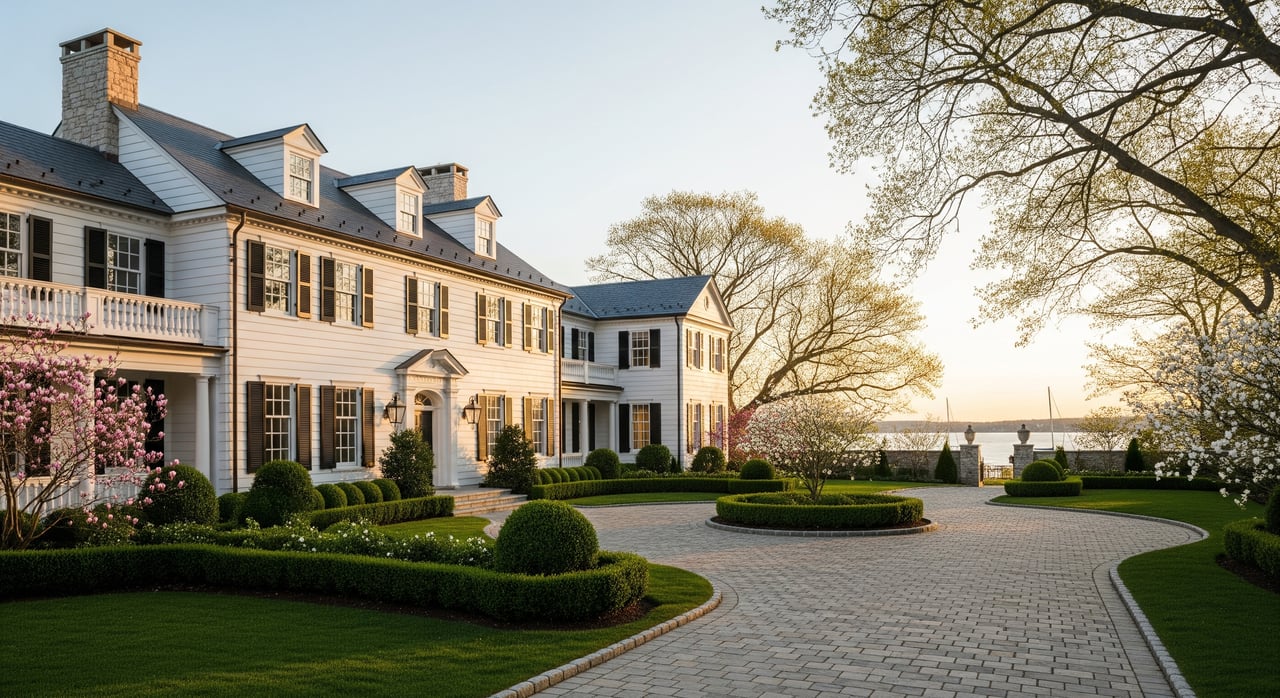
Curb appeal also improves with the season. Fresh landscaping, greener lawns, and brighter skies elevate first impressions and help your images stand out online. If your property offers significant grounds, gardens, or water views, waiting until early spring can enhance your visual story.
When a different timeline makes sense
Not every property should wait for spring. Unique or trophy estates can attract year-round attention because certain buyers shop regardless of season. Privacy-driven sales or buyers with flexible timelines may respond even in off-peak months, especially if the home is rare in style or location.
If your home’s lifestyle is seasonal, consider aligning with that season. For example, waterfront homes often show best when the water is active and outdoor living spaces are staged for summer. Your strategy should match your property’s strengths and your personal timing goals.
A 60–90 day prep timeline
Use the next two to three months to polish your home, build standout marketing assets, and plan a smooth launch.
12 weeks out: assess and plan
- Meet with a seasoned Greenwich listing agent to review comps and discuss a pricing range.
- Commission a comparative market analysis and outline pricing paths: aggressive, market, or aspirational.
- Consider a pre-listing inspection to identify repairs and reduce renegotiation risk later.
- Consult your financial and legal advisors if sale timing intersects with tax planning or estate considerations.
8–10 weeks out: repairs and staging plan
- Book contractors for key repairs: roofing, HVAC, electrical, and important cosmetic updates.
- Hire a professional stager experienced with luxury properties and secure a staging timeline.
- Schedule landscaping upgrades and exterior lighting so curb appeal is fresh by the photo date.
- Reserve top-tier photographers, video teams, and a drone operator. Pencil in shoot dates tied to landscaping progress and good weather.
6 weeks out: documents and pre-marketing
- Assemble property documents: deed, survey, utility bills, permits, floor plans, and improvement list.
- Decide on a pre-market strategy such as broker previews or a coming-soon approach in line with local MLS rules.
- Build a targeted list of buyer agents across Fairfield County and NYC for early outreach.
4 weeks out: final prep and production
- Complete deep cleaning, staging installation, and all photography and video. Include interior, exterior, twilight, drone, and neighborhood context shots.
- Create a detailed property fact sheet with images, floor plans, room sizes, and notable features.
- Produce digital assets: a dedicated listing page, a 3D tour, a short property video, social creative, and print-ready brochures.
- Map out open houses versus private broker previews. For many luxury homes, invitation-only or agent-guided showings keep quality high.
2 weeks out: rollout and logistics
- Launch agent-to-agent outreach and targeted email campaigns.
- Pre-schedule private showings for qualified buyers and confirm security protocols.
- Align closing expectations with your attorney and title partners.
- Line up trusted moving and concierge resources to make your transition easy.
Launch week: go live strategically
- List mid-week so your home lands in buyer inboxes and is fresh for weekend showings.
- Host an exclusive broker preview and activate a focused digital ad push.
- Track early engagement and feedback. Adjust presentation or pricing if the first two weeks underperform.
Pricing and launch strategy
Set a price that attracts qualified attention right away. In luxury segments, you do not want to underprice or stretch too high. Instead, aim for a level that invites multiple showings from the right buyers. Early momentum often shapes the outcome, so pair thoughtful pricing with impeccable visuals and strong agent-to-agent outreach.
A mid-week launch helps you maximize exposure across the week and into the weekend. If early data shows high traffic but no offers, fine-tune staging, copy, or price. If you see slower traffic, refresh hero photos or twilight images and broaden outreach to top buyer agents.
Marketing that attracts qualified buyers
Your buyer may be in Manhattan, across Fairfield County, or overseas. A focused plan helps you reach them without wasting time.
- Professional visual assets: High-resolution interior and exterior photography, aerial drone work, floor plans, a 3D tour for remote buyers, and a short cinematic video.
- Staging and lifestyle cues: Present modern, inviting spaces with a clear lifestyle message. Highlight privacy, proximity to transit, waterfront or club access when applicable, and architectural details.
- Broker network outreach: Engage top buyer agents in Fairfield County and NYC through personal outreach, private previews, and targeted email campaigns.
- Luxury placement and press: Distribute to appropriate luxury channels and reputable local publications to increase qualified visibility.
- Precision digital ads: Use geo-targeting around NYC and high-income enclaves. Tailor creative to likely buyer interests.
- Print and direct mail: Provide high-quality brochures and consider selective mailers to nearby high-net-worth households and relocation contacts.
- Showing strategy and security: Favor appointment-only or broker-led showings for higher-end properties to protect privacy and confirm buyer readiness.
Plan your closing around the school year
If starting a new school year is part of your plan, work backward. Many families aim to go under contract in spring and close in late June or July. This timeline allows you to move without mid-year changes and gives buyers time to handle logistics. Your agent can structure offer terms and timing to support your schedule.
What to track in the first weeks
The first two to four weeks tell you a lot about market fit. Monitor key indicators and act quickly if needed.
- Showings per week and the quality of buyer agents involved.
- Online engagement: listing views, video plays, and 3D tour interactions.
- Number and strength of offers, including proof of funds or pre-approvals.
- Days on market and price-to-list ratio compared with nearby comps.
Decision triggers help you stay proactive:
- If showings and online engagement are low after 10–14 days, refresh photography or video, expand outreach, or adjust copy.
- If you have steady showings but no offers after 2–3 weeks, consider a price shift or enhanced staging and lifestyle messaging.
- If strong offers arrive quickly, weigh terms like closing timeline and contingencies before deciding whether to accept or seek more exposure.
Common risks and how to manage them
- Market shifts: Interest rate changes or inventory swings can dampen or amplify seasonality. Build flexibility into your plan.
- Luxury exceptions: Unique estates can perform off-season. Align marketing with property strengths rather than the calendar alone.
- Curb appeal trade-offs: Listing too early in winter may limit exterior appeal. Waiting for spring improves visuals but delays market entry. Balance based on your grounds and readiness.
- Compliance: Confirm local MLS rules around coming-soon and off-market strategies before you pre-market.
- Privacy and security: Set clear showing protocols for high-profile listings, including agent verification and appointment management.
The bottom line for Greenwich sellers
For most Greenwich homes, a late winter to spring launch aligns with peak buyer activity and better presentation. Use your 60–90 day lead time to complete selective repairs, stage for a lifestyle-driven story, and produce exceptional visuals. Pair that with targeted agent outreach and a disciplined launch plan, and you will be positioned to sell with confidence.
Ready to map your timeline and pricing strategy? Connect with Angela Alfano to discuss your goals and book a consultation.
FAQs
When is the best month to list in Greenwich?
- Late winter through spring is often effective, with many sellers targeting late February to April to capture rising buyer activity and strong curb appeal.
Do luxury homes in Greenwich follow the same seasonality?
- Luxury listings can sell year-round, but spring typically brings the widest exposure and the most agent and buyer activity for premium properties.
How far in advance should I start preparing?
- Plan 60–90 days ahead to complete repairs, staging, and professional visuals, and to organize documents and pre-market outreach.
Should I wait for landscaping to bloom before photos?
- If your grounds are a selling point, early spring photography can make a clear difference. Balance this with the benefit of getting on the market sooner.
Is a coming-soon strategy worth it in Greenwich?
- It can build early interest when used correctly, but confirm local MLS rules and align the approach with your privacy needs and timing goals.
What if I get showings but no offers in the first weeks?
- Refresh staging and photography, strengthen agent outreach, and consider a price adjustment if activity remains high without offers.