Downtown vs Old Greenwich Homes: Lifestyle & Housing
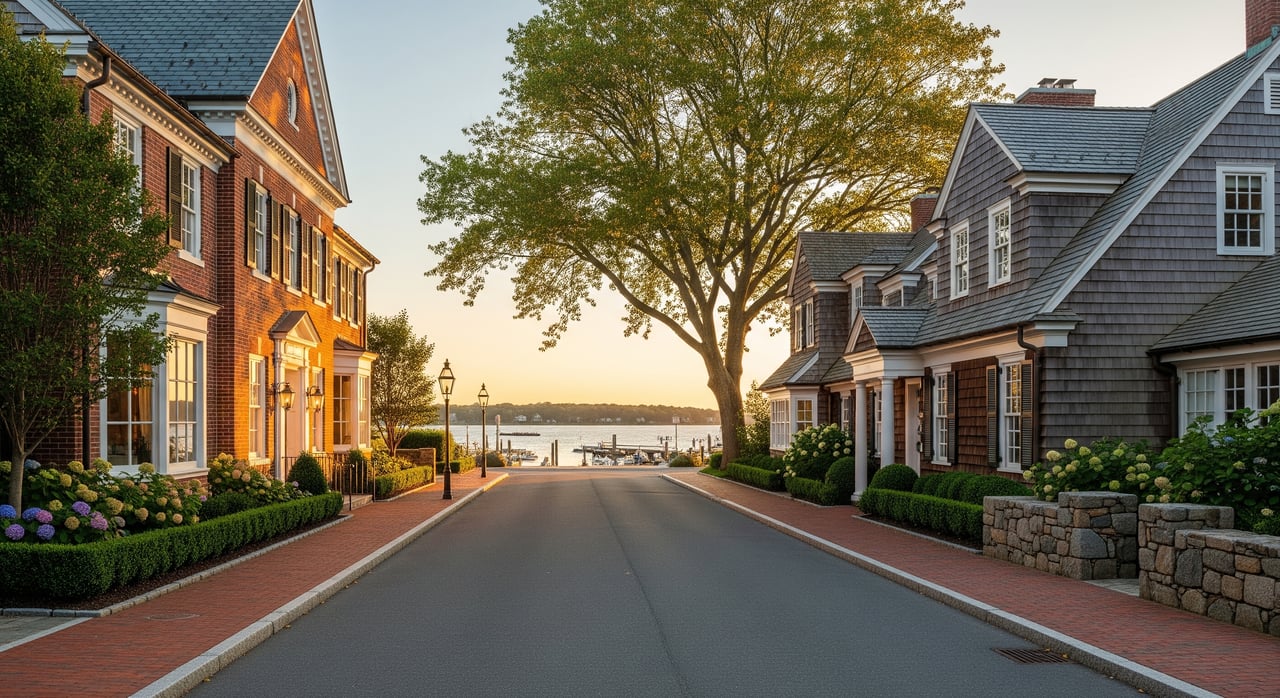
Choosing between Downtown Greenwich and Old Greenwich can feel like choosing between two great versions of life in the same town. You want the right mix of walkability, housing style, commute, schools, and day-to-day ease. This guide gives you a clear, practical comparison based on how each area actually lives. You will leave with a simple way to decide which neighborhood fits your priorities. Let’s dive in.
Both neighborhoods are among Greenwich’s more expensive areas, but product type drives your budget. Downtown offers many condo and townhouse options, which can create lower entry points if you prefer low-maintenance living close to amenities. Single-family homes downtown include older colonials near the core and larger homes farther out.
Old Greenwich is dominated by single-family homes with yard space. Properties near the water and homes within an easy walk to the beach or harbor tend to command premiums. Waterfront and harbor-front homes generally carry the highest prices due to view and access.
Per-square-foot values often run high downtown thanks to walkability and proximity to transit and private schools. Old Greenwich demand can be more seasonal, especially in warmer months when coastal access is top of mind. If you are comparing a smaller downtown condo to an Old Greenwich single-family home, expect very different pricing profiles.
Both neighborhoods are on the Metro-North New Haven Line. Downtown is served by the main Greenwich station with frequent service and some express trains to Grand Central Terminal. Old Greenwich has its own station with regular local and some express service, typically at slightly lower frequency than the main station. For exact timings, check the current Metro-North schedules and station information.
Driving is straightforward to I-95 from both areas, with the Merritt Parkway offering an alternate north route. Peak-hour traffic can materially affect drive times toward Stamford, Bridgeport, or NYC. For road updates and planning, use the Connecticut Department of Transportation resources.
Downtown gives you immediate access to shops, dining, services, and professional offices. Expect more pedestrian activity and limited street parking near Greenwich Avenue, plus paid municipal lots and garages. Many condo buildings include on-site parking.
Old Greenwich offers a quieter village setting with on-street and neighborhood parking, along with commuter lots by the station that follow town rules and fees. To review parking or permit options, consult Town of Greenwich resources.
Greenwich Public Schools serve the entire town. School assignments are address-based, and Old Greenwich has its own neighborhood elementary school. Downtown addresses feed into the elementary school tied to your street, so always verify boundaries before you buy. Review current maps and enrollment details through the Greenwich Public Schools.
Several prominent private schools operate in Greenwich, many accessible from both neighborhoods. If private education is a priority, check each school’s admissions policies and timelines.
Downtown offers cultural amenities, library access, town events, and proximity to private clubs and athletic facilities. You can meet friends for dinner, catch a gallery opening, or handle errands in one loop.
Old Greenwich centers on the village green, the harbor and marina, sailing and beach time, and a close-knit feel around seasonal activities. Summer brings more activity near the shoreline, and you will find easy access to saltwater recreation.
Both areas benefit from town parks, playgrounds, youth sports, and regional waterfront spaces. Explore programs through Town of Greenwich Parks and Recreation.
Old Greenwich’s coastal location means some properties sit in FEMA flood zones. Before you commit, get a parcel-level flood zone designation, ask for any elevation certificate, and seek insurance quotes. You can verify zones and panels through the FEMA Flood Map Service Center.
Plan for property taxes based on assessed value and the local mill rate, plus additional costs like HOA or condo fees for downtown living. Waterfront homes can carry higher maintenance and insurance due to saltwater exposure. For tax and assessment context, reference Town of Greenwich Assessor resources.
Zoning rules shape what you can build, how much you can expand, and how coastal properties are permitted. Historic properties downtown and coastal parcels may have added restrictions. If you plan to renovate, consult the town’s Planning and Zoning and Building Department resources on GreenwichCT.gov before you finalize your strategy.
Ready to narrow your search with local insight tailored to your timeline, commute, and budget? Connect with Angela Alfano to compare specific streets, review live listings, and create a clear plan from first tour to closing.
Whether you are selling one of the mid-size single-family homes in Fairfield County or a luxurious acreage estate, Angela has garnered a reputation for being personable, friendly, and willing to go above and beyond to ensure her clients get the possible outcomes. Her goal is always to exceed client expectations.