Darien Beach Neighborhoods for Coastal Living
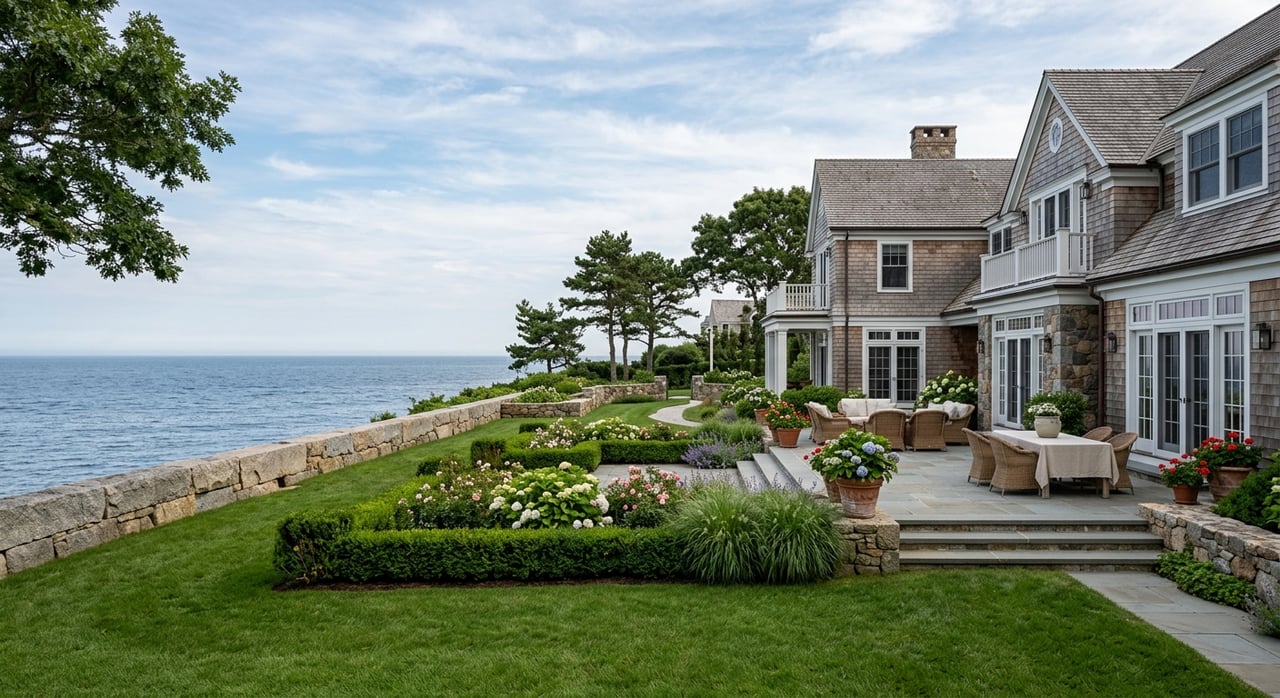
If living near the water is on your wish list, Darien offers a coastal lifestyle that feels polished, practical, and distinctly local. You are not looking at a one-size-fits-all beach town here. Instead, you will find public beaches, private bay settings, and waterfront pockets that each offer a different way to enjoy Long Island Sound. Let’s dive in.
Darien has a relatively compact shoreline, with about 30 acres of shoreline beaches on Long Island Sound centered on Pear Tree Point Beach and Weed Beach. That small footprint is part of what gives the town its more residential, less resort-like feel.
The town also describes Darien as a suburban community with an active town center and clear waters. In real life, that means waterfront living here often feels woven into everyday neighborhood life rather than set apart from it.
One of the most important things to understand is that Darien’s beaches are municipally managed and seasonal in rhythm. This is not the kind of shoreline where you assume open access year-round without checking current town rules and conditions.
For 2026, the town says beach permits went on sale March 4. Weed Beach required a permit starting April 15, 2026, and Pear Tree Point Beach was scheduled to require one starting May 22, 2026. Resident emblems are limited to Darien residents and Darien real-estate taxpayers.
The town also samples beach water weekly from Memorial Day through Labor Day. Beach conditions can change after heavy rain, and the town maintains a summer hotline for status updates, which reinforces how closely the shoreline is managed.
Weed Beach is the larger and more activity-focused of Darien’s two public beaches. Located off Nearwater Lane just off Route 1, it spans 22 acres and offers much more than a place to swim.
The town lists a bathing area, picnic areas, six tennis courts, five paddle tennis courts, children’s play areas, a bathhouse, a fit trail, kayak racks for resident rental through a lottery, a concession stand, and the Darien Junior Sailing Team. If you picture a shoreline lifestyle built around movement, recreation, and gathering, this is the clearest public example in town.
For many buyers, proximity to Weed Beach can mean easier access to an active coastal routine. You may be drawn to the convenience of beach days, paddle or tennis time, sailing programs, or casual afternoons by the Sound without needing to leave town.
That said, it is best to think of Weed Beach as a recreational hub, not just a sandy destination. Its appeal is tied to the wider mix of amenities and activities that support an engaged, outdoors-oriented lifestyle.
Pear Tree Point Beach sits at the mouth of the Goodwives River off Pear Tree Point Road and covers roughly 8 acres. The setting is smaller and more harbor-oriented, which gives it a different feel from Weed Beach.
According to the town, amenities include a bathing area, accessible picnic area, gazebo, bathhouse, boat launch ramp, kayak racks for resident rental through a lottery, and the Darien Boat Club. That combination makes Pear Tree Point especially relevant if you are thinking about the relationship between beach access and boating access.
If you are exploring homes near Pear Tree Point, current beach status matters. The town’s latest posted update says Pear Tree Point Beach Park is under an improvement project that includes reconstruction of the boat launch and parking lot, improved drainage, dredging, wetland restoration, sidewalks, and an accessible picnic area.
The same update says the park is closed to vehicles and pedestrians during construction. So while Pear Tree Point remains an important part of Darien’s shoreline identity, you should treat present-day access and amenity use as time-sensitive until the town confirms reopening.
Darien’s history page describes Tokeneke, Long Neck Point, and Noroton as shoreline areas where New Yorkers built summer homes. That history still helps explain the look and feel of the coast today.
Rather than a beach-strip atmosphere, Darien’s waterfront often feels older, more established, and more private. For buyers, that can translate into a coastal experience shaped by residential streets, long-held properties, and neighborhood identity.
Among Darien’s coastal areas, Noroton Bay is one of the clearest officially defined residential enclaves near the water. The town’s zoning code describes it as a district of about 77 lots, many created by a 1926 recorded map, all within the private Noroton Bay Homeowners Association.
The same section notes that streets and storm-drainage systems in the district are privately owned and maintained. Lot sizes vary widely, and the area is heavily shaped by flood-hazard rules and elevation requirements.
If you are considering Noroton Bay, the experience is usually about more than being close to the shore. You are often looking at single-family homes on historic lots in a private association setting, where bay access, association structure, and property-specific flood considerations all matter.
That can create a very different decision process from buying near a public beach. In practical terms, buyers may be comparing privacy, maintenance expectations, and access style rather than simply asking which beach is closest.
Darien’s shoreline market makes the most sense when you break it into three broad lifestyle models.
The town’s harbor master adds a helpful distinction here. Darien Harbor at Pear Tree Point Beach and Noroton Bay at Weed Beach are the two harbors accessible by land, while other harbors and coves, including Scott Cove and Ziegler’s Cove, are not land-accessible unless you are a waterfront property owner.
That matters because not all water views or shoreline addresses offer the same kind of use. Some properties are about convenience to public amenities, some are about association-based access and private rules, and some are about direct ownership responsibilities tied to the waterfront itself.
Living by the water in Darien can be beautiful, but it also comes with practical realities. The town’s zoning code says Noroton Bay properties are subject to flood-hazard constraints, and many homes in the district have required elevation or other flood-related adaptations.
For buyers, this is a reminder to look beyond the setting alone. The condition of the home, any prior upgrades, site elevation, and ongoing upkeep all play a role in how coastal ownership feels over time.
A home near the water is not automatically the same as a home with direct access to it. In Darien, one buyer may prioritize proximity to a managed public beach, while another wants private association rules and bay character, and someone else may be focused on a true waterfront parcel with its own access or mooring needs.
Those differences affect privacy, convenience, and maintenance. They also shape how you evaluate a property’s fit for your day-to-day life.
If you are starting your search, it helps to define what “living by the water” really means to you. Do you want easy beach days and recreation, a more private bay-side setting, or a property where the waterfront is part of the home itself?
Once that is clear, Darien becomes easier to navigate. The town’s shoreline may be compact, but it offers a nuanced range of coastal living options that reward a thoughtful, property-by-property approach.
If you are considering a move in Darien or anywhere along the Fairfield County coast, working with an advisor who understands the differences between beach access, neighborhood structure, and waterfront ownership can help you make a more confident decision. To explore Darien’s shoreline neighborhoods with local insight and a tailored approach, connect with Angela Alfano.
Whether you are selling one of the mid-size single-family homes in Fairfield County or a luxurious acreage estate, Angela has garnered a reputation for being personable, friendly, and willing to go above and beyond to ensure her clients get the possible outcomes. Her goal is always to exceed client expectations.