Key Differences: Mid Country vs Back Country in Greenwich
Trying to choose between Mid Country and Back Country in Greenwich? You are not alone. Each area delivers a different mix of privacy, convenience, and lifestyle, and the right choice depends on how you want to live day to day. In this guide, you will learn the core differences in lot size, zoning, road and utility patterns, club access, home styles, and market character so you can move forward with confidence. Let’s dive in.
Mid Country sits between Back Country and central Greenwich. You will typically find mid‑sized lots, more traditional suburban streets, and quicker routes to shops, schools, and the train.
Back Country is Greenwich’s inland estate area. Lots are larger, homes sit farther from the road, and the setting feels more rural and private. Daily errands and commuting often take a bit more drive time.
Mid Country lots are generally half‑acre to about 1–2 acres depending on the street. That size supports a pool, patio, and lawn without the upkeep that comes with very large acreage. Neighbors are closer, and driveways are usually shorter.
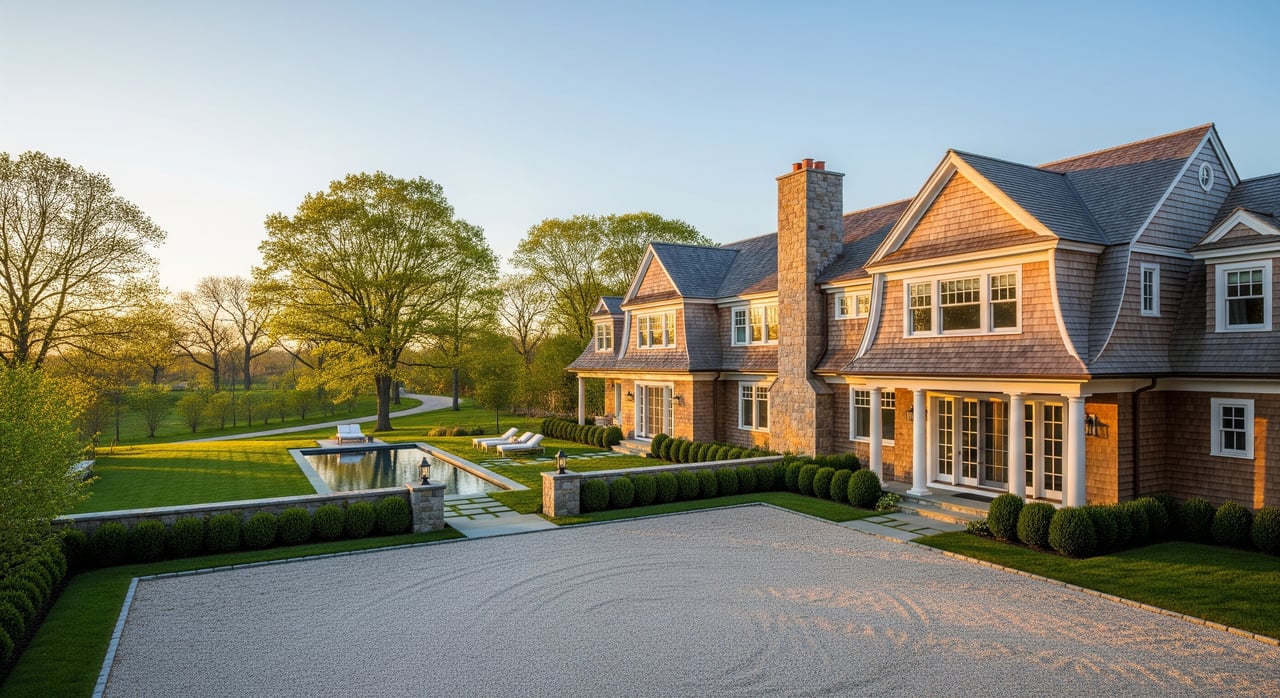
Back Country parcels commonly span multiple acres. Houses are set back with long drives, wooded buffers, and expansive lawns. If you value maximum privacy and space, Back Country tends to deliver it.
Mid Country areas often reflect suburban residential zoning with smaller minimum lot sizes compared to Back Country. You can typically add outdoor living areas and pools on many parcels, but the buildable envelope and setbacks guide what is possible.
Back Country areas generally have larger minimum lot sizes and a lower allowed density. The acreage can support accessory structures like guest houses or barns, subject to town rules. For any property, confirm minimum lot size, setbacks, septic or sewer requirements, and any conservation easements with the Town of Greenwich Land Use and Planning & Zoning offices.
Mid Country streets are more connected to central Greenwich. You will often see a suburban pattern with curving roads, some sidewalks, and easier navigation to retail corridors.
Back Country features winding country roads and private lanes with fewer sidewalks and less streetlighting. Some properties access the home via shared or private drives. Utilities vary in both areas. Mid Country parcels are more likely to have municipal water and sewer, especially closer to town, while some Back Country homes use wells and septic. Always verify utilities for the specific parcel.
Mid Country typically offers shorter drives to downtown Greenwich and train stations. If you commute to Manhattan or want quick access to shopping and dining, the location often saves time.
Back Country is farther inland. You gain quiet and privacy, and you may add drive time for the train or errands depending on exact location and traffic patterns.
Mid Country provides quick access to town parks, public facilities, and a wide range of shops and restaurants. Many private clubs are a short drive away, but lot sizes are less likely to support large private amenities like on‑site equestrian facilities.
Back Country aligns with an estate lifestyle. Larger parcels can accommodate private pools, tennis courts, gardens, and in some cases equestrian uses, subject to zoning. Private club options are part of the social fabric for many residents. Membership policies and waitlists vary by club, so check details directly with each organization.
Mid Country offers a mix of renovated colonials, ranches, split‑levels, and newer construction on mid‑sized lots. You will often see updated kitchens and baths, modern systems, and outdoor living spaces designed for easy upkeep.
Back Country showcases estate‑scaled colonials, Georgian and Neo‑Classical designs, modern country estates, and reimagined historic properties. Expect features like larger garages, guest houses or carriage houses, extensive landscaping, and robust utility systems. Room for expansion is common, subject to regulations.
Mid Country provides a broader range of price points and a deeper pool of comparable sales. It can be more accessible on a per‑property basis than true estates, while still commanding a Greenwich premium.
Back Country estates often carry a higher acquisition cost due to acreage, privacy, and exclusivity. Inventory is limited, and pricing is driven by unique parcel attributes. Maintenance costs can also be higher for large grounds, long driveways, and private systems.
Use this quick list to frame due diligence with your attorney, inspector, and the town:
Start with your daily rhythm. List your top three non‑negotiables like commute time, yard privacy, or room to expand. Tour one or two streets in each area at different times of day to gauge traffic and feel. Then review zoning and utilities for any home you love so you know what you can change and what you will live with long term.
When you are ready for a tailored search and clear guidance, connect with Angela Alfano for a private consultation.
Whether you are selling one of the mid-size single-family homes in Fairfield County or a luxurious acreage estate, Angela has garnered a reputation for being personable, friendly, and willing to go above and beyond to ensure her clients get the possible outcomes. Her goal is always to exceed client expectations.