Moving from NYC to Greenwich: Costs, Commute & Lifestyle
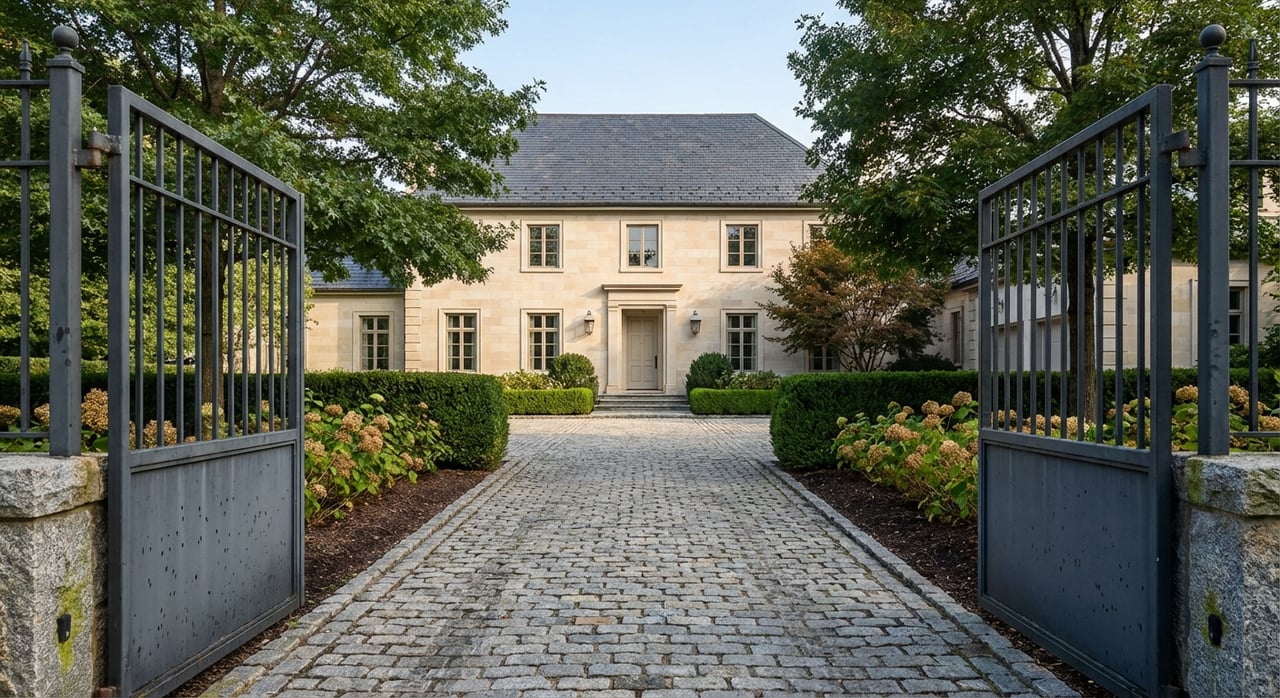
Trading your NYC walk-up for coastal space in Greenwich can feel exciting and a little overwhelming. You want the room, schools, and shoreline lifestyle, but you also need straight answers about prices, taxes, and the commute. This guide walks you through what changes when you move from the city to Greenwich, using current data and practical steps you can act on. Let’s dive in.
Greenwich gives you more space, a coastal setting, and a town structure with village centers that still feel connected to New York. The town’s population is about 64,594 as of July 2024, and the median household income is $206,130, which signals a well-resourced community with strong services and amenities. Both figures come from the U.S. Census Bureau’s latest QuickFacts. You can review the town snapshot on the Census QuickFacts page.
You will find a wide range of home styles and settings. Waterfront enclaves like Belle Haven and Indian Harbor feature estate properties with marina access. Mid-Country and Backcountry offer larger lots, privacy, and a classic suburban feel. Near the train, the village centers of Old Greenwich, Riverside, Cos Cob, and Downtown Greenwich offer a walkable lifestyle close to dining, services, and the shoreline.
Prices vary by neighborhood and property type. Waterfront and in-town addresses often command a premium, while inland areas can offer larger lots at a lower price per square foot. Many homes are Colonials, Shingle style, or updated modern renovations, alongside historic cottages and larger new builds.
Local data shows a premium market with uneven pricing by area and property type. According to the Greenwich Association of REALTORS year-end update, the 2025 median single-family sale price was about $3.15 million (reported Q4 2025). You can see the summary on the Greenwich Association of REALTORS market update.
Inventory often runs lean, especially in the luxury and near-train segments. The local association reported constrained supply alongside price gains in 2025, which means you should be ready to tour quickly and consider both on-market and private opportunities. A seasoned local advisor can give you an early read on listings coming soon.
Connecticut towns use assessed values and a mill rate to calculate annual property taxes. Greenwich completed its town-wide revaluation with assessments set at 70 percent of fair market value as of October 1, 2025. Those new assessments take effect with the July 1, 2026 tax bill. You can review the process and appeal timelines on the town’s 2025 Revaluation page.
For fiscal year 2025–26, the Board set the mill rate at about 12.041. Because revaluations change assessments, mill rates can shift year to year as budgets are set each spring. See recent budget context in local reporting from the Greenwich Time.
Here is a simple, dated example using current references:
Other cost items to plan for include homeowners insurance, utilities, landscaping and snow, and commuting costs if you split time with the city. Connecticut’s general sales and use tax rate is 6.35 percent, with some special higher rates for certain purchases. Review details on the Connecticut DRS sales and use tax page. Connecticut also has a progressive state income tax, with top marginal rates that have reached 6.99 percent in recent schedules. For residency and filing specifics, consult a qualified tax adviser and see resources like Forbes’ Connecticut tax overview.
Greenwich is on Metro-North’s New Haven Line with four convenient stations: Greenwich (downtown), Cos Cob, Riverside, and Old Greenwich. You can find station context and the line overview on Visit Connecticut’s train information page. Express trains to Grand Central commonly fall in the 45 to 60 minute window, depending on the time of day. Your real door-to-door travel, including getting to the station and your final Midtown leg, often runs about 60 to 90 minutes. For planning, test the trip during your actual peak window and review examples shared by local commuter guides like Suburbs 101.
If you plan to park at the station, Greenwich runs municipal commuter lots with permits and daily options. Permit waitlists can occur, so apply early and know your backup plan, such as drop-off, rideshare, or using nearby stations when helpful. Check current fees and rules on the town’s Parking Rate Schedule.
Many households use a car for errands and weekend activities. I-95 and U.S. 1 provide road access to NYC and coastal Connecticut, and the Merritt Parkway offers a scenic passenger-car route inland. Westchester County Airport (HPN) is the closest commercial airport, with the three NYC airports also in reach.
Greenwich Public Schools are frequently recognized in statewide comparisons. News summaries report Greenwich High School among Connecticut’s stronger public high schools in recent lists. You can read one summary of rankings coverage here: statewide high school rankings round-up. For school assignment, magnet options, and calendars, always refer to the district directly and confirm deadlines on the Greenwich Public Schools site.
Private school options are a major draw for relocating families. Notable choices in town include Brunswick School, Greenwich Academy, Greenwich Country Day School, and Convent of the Sacred Heart, among others. Application windows and waitlists vary by school and grade, so review current details via directories like Niche’s Greenwich private school listings, then confirm dates directly with each school.
For childcare and preschool, plan ahead. Enrollment can be competitive in certain programs, and lead times vary by season. At the high school, you will find a robust program mix, including AP and IB pathways, along with extracurriculars supported by strong community resources.
Greenwich balances coastal recreation with a lively in-town scene. Greenwich Point Park, known locally as Tod’s Point, is a town-run waterfront park with beaches, walking paths, and seasonal amenities. You can get details on passes, hours, and programs on the Greenwich Point Park page.
Downtown, Greenwich Avenue offers dining, boutiques, and services within a short walk of the main station. The Bruce Museum, a regional cultural anchor near the waterfront, hosts art and science exhibitions and community events. For healthcare, Greenwich Hospital is part of the Yale New Haven Health system and serves the area with comprehensive services.
Use this quick list to build a realistic monthly and annual budget:
Use lifestyle first, then confirm budget and commute:
Once you have a short list, tour during the hours you would actually live there. Check traffic patterns, station parking, and school commute timing.
Given constrained single-family inventory reported for 2025, plan ahead. Get preapproved, preview neighborhoods, and test your commute before you start touring. Work with a local advisor who can surface on-market, coming-soon, and discreet opportunities and guide you through pricing by micro-area. If station parking matters, apply for permits early and keep a daily parking or drop-off backup in your plan. For taxes, note that the mill rate is typically set each May, and new assessments from the 2025 revaluation affect bills starting July 1, 2026.
Ready to explore Greenwich with a clear plan? Book a private consultation with Angela Alfano to map neighborhoods, commute options, and a purchase strategy that fits your timeline.
Whether you are selling one of the mid-size single-family homes in Fairfield County or a luxurious acreage estate, Angela has garnered a reputation for being personable, friendly, and willing to go above and beyond to ensure her clients get the possible outcomes. Her goal is always to exceed client expectations.