Stamford Condos vs. Houses: How to Choose Well
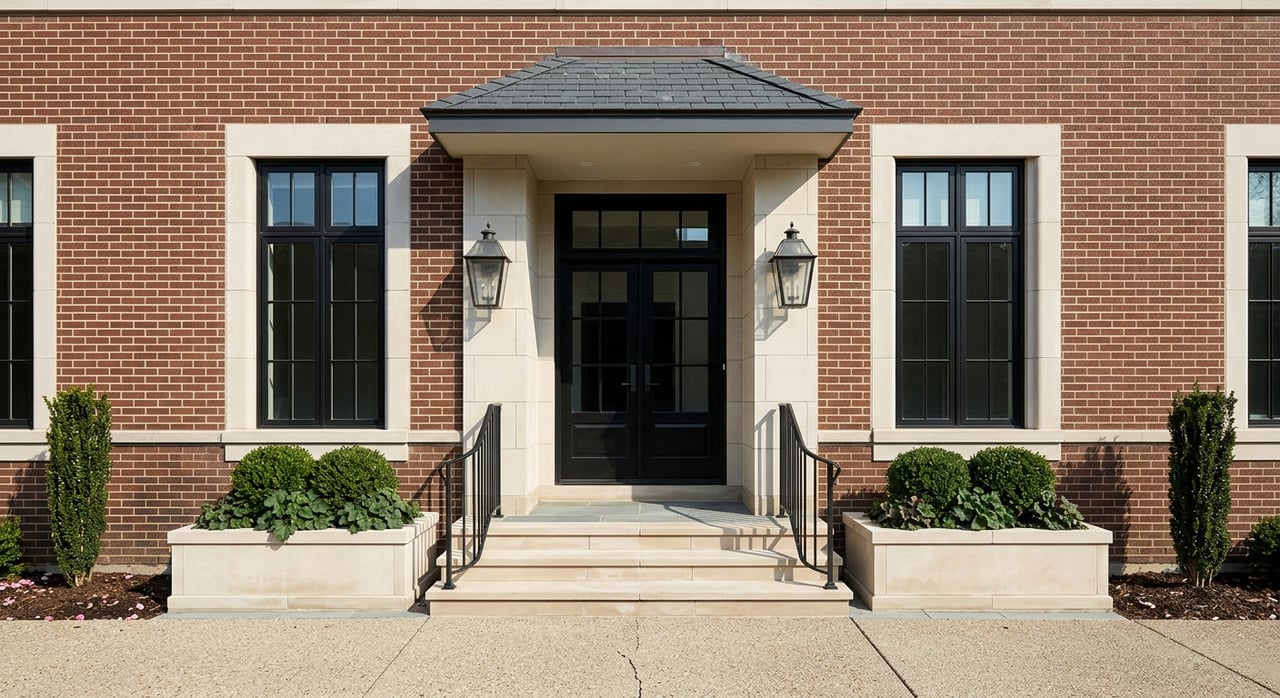
Choosing between a condo and a single-family home in Stamford is not just about square footage. It is about how you want to live, what monthly costs you can comfortably carry, and how much day-to-day responsibility you want to take on. If you are weighing both options, Stamford gives you real variety, and understanding the tradeoffs can help you make a more confident move. Let’s dive in.
Stamford is a large and active housing market with an estimated population of 139,535 as of July 2025. In the 2020-2024 period, 48.8% of occupied housing units were owner-occupied, which reflects a market with a meaningful mix of owners and renters.
Recent pricing also shows a competitive environment. Redfin reported a median sale price of $657,161 over the three months ending April 2026, with homes receiving about four offers on average and selling in about 33 days. Zillow showed a median sale price of $652,917 and a median list price of $584,333 in early 2026.
That broad market context matters because condos and single-family homes in Stamford often serve different budgets from the start. In many cases, the right choice comes down to whether you want a lower entry price with shared ownership costs, or a higher purchase price with more direct control.
Current Stamford condo listings show a wide range of pricing. Examples in the market included units around $300,000, $470,000, $499,000, and $560,000, depending on the building, size, and amenities.
That range can make condos feel more accessible for buyers who want to enter the Stamford market without stretching into detached-home pricing. At the same time, condo pricing is only part of the story because monthly HOA dues can significantly affect your full housing cost.
In the Stamford listings reviewed, HOA fees ranged from $334 per month to $1,265 per month. That is a meaningful spread, and it shows why two condos with similar list prices can have very different monthly carrying costs.
Some buildings include more in those dues. Depending on the property, HOA fees may cover common-area upkeep, and in some cases heat, hot water, sewer, pool access, clubhouse use, or doorman-style services. If you are comparing condos, you will want to look past the list price and review what the dues actually include.
Single-family homes in Stamford generally start at a higher price point. Active detached listings referenced in the research included homes around $799,000, $850,000, $935,000, $1.2 million, $2.295 million, and $2.95 million, plus a much higher luxury outlier.
That price difference means detached homes and condos often appeal to different buyers from a budgeting standpoint. Even before you factor in maintenance or taxes, the upfront cost of a single-family home is usually higher.
A detached home can offer features that are harder to find in many condo settings. The North Stamford example at 761 Den Road included a 0.38-acre lot, a patio, a detached garage, and parking for eight vehicles, with no HOA.
For some buyers, that extra space and separation from shared walls is a major advantage. For others, it may feel like more property and upkeep than they want to manage.
One of the biggest mistakes buyers make is focusing too much on purchase price and not enough on monthly cost. In Stamford, condos may offer a lower entry price, but HOA dues can materially change the total monthly number.
Single-family homes may not come with HOA dues, but they can carry higher property taxes and more direct maintenance costs. The better comparison is not condo versus house in the abstract. It is your all-in monthly cost for each option.
The City of Stamford bills real estate taxes in two installments due July 1 and January 1. For fiscal year 2026-2027, the city reported real-estate district mill rates ranging from 24.31 to 25.14 mills.
Because taxes depend on district and assessed value, two properties with similar asking prices may still have different tax bills. That is why it is important to review taxes property by property instead of assuming the numbers will line up neatly.
One Stamford condo example at 59 Courtland Avenue showed 2024 property taxes of $2,852. The detached home example at 761 Den Road showed annual taxes of $9,562.
This is only an illustration, not a market-wide rule. Still, it gives you a useful Stamford-specific example of how detached homes can carry materially higher tax costs than smaller condos.
Maintenance is one of the clearest day-to-day differences between condo living and single-family ownership. If your goal is to simplify upkeep, a condo may offer a more manageable routine.
If your goal is more control over the property and outdoor space, a single-family home may feel like a better fit. Neither option is better across the board. It depends on how involved you want to be.
Under Connecticut law, the condo association is responsible for maintenance, repair, and replacement of common elements unless the condominium declaration says otherwise. The unit owner is responsible for the unit itself unless the declaration shifts that responsibility.
Connecticut law also requires the association to maintain property insurance for common elements and liability insurance related to those common elements. In practical terms, condo ownership usually means shared responsibility for the building and direct responsibility for your own unit.
With a detached home, you are generally responsible for the house and the land. In the North Stamford listing example, the property included a septic tank, a well, and a private lot, all of which point to more direct ownership responsibility.
For some buyers, that responsibility is worth it because it comes with more privacy and control. For others, it can feel like a bigger time and budget commitment.
Condo living also means living within an association structure. The Connecticut Department of Consumer Protection advises buyers to review bylaws carefully, along with reserves, budget line items, dues, fines, outstanding debts, foreclosures, age restrictions, and whether the building fits their lifestyle.
That review matters because condo ownership is not just about the unit. You are also buying into a system of rules, shared decision-making, and ongoing financial management.
State guidance notes that common expenses can cover administration, maintenance, repair, replacement, and reserves. That helps explain why dues can increase over time or why some communities may have additional assessments.
The Connecticut Department of Consumer Protection also notes that condo boards must meet at least once a year, cannot hold secret meetings, and must provide a budget summary and an opportunity for owner input. If you are considering a condo, these details are worth understanding before you make an offer.
Your best choice often comes down to how you want your home to support your routine. Stamford is especially interesting because different housing types line up with different parts of the city and different ways of living.
A condo near downtown can create a very different experience from a detached home in a more private setting. That is why lifestyle fit should sit right alongside budget in your decision.
Some Stamford condo and townhouse listings highlight walkability to restaurants, nightlife, shopping, and the train station. Others emphasize waterfront settings, beach access, water views, pools, or clubhouse amenities.
That can make condos especially appealing if you value easier day-to-day maintenance, amenity access, or convenient access to transportation. For many buyers, that convenience is a major quality-of-life benefit.
Detached homes often appeal to buyers who want more privacy, more outdoor space, or more separation from shared walls and common areas. The North Stamford example underscores that appeal with its private lot, patio, garage, and extensive parking.
If you want room for gardening, pets, storage, or outdoor living, a single-family home may better support those priorities. It can also offer a different sense of space and control over your property.
Transportation access is another factor that can tilt the decision. Metro-North’s New Haven Line connects Stamford with New York and other regional destinations, and CTtransit Stamford operates local bus service plus the I-Bus express to White Plains.
If your routine depends on train access or regional commuting, a condo closer to downtown or the station area may offer real convenience. If you drive most places and prioritize a private lot over proximity to transit, a detached home may feel more practical.
Not all condos function the same way, even at similar price points. Stamford has condo inventory from a range of eras, with examples built in 1939, 1972, 1973, 1975, 1981, and 1994.
That matters because building age, reserve strength, and renovation history can all affect fees, maintenance expectations, and your ownership experience. A careful review of the specific building is just as important as evaluating the specific unit.
If you are choosing between a Stamford condo and a single-family home, start with the factors that will affect your daily life most. Price matters, but so do taxes, HOA dues, maintenance responsibility, and how you want to live from one season to the next.
A simple way to compare your options is to look at each property through four lenses:
When you compare homes this way, the right choice usually becomes clearer. What looks like the better deal on paper may not be the better fit once you account for the full monthly cost and the kind of ownership experience you want.
Whether you are buying your first Stamford property, relocating within Fairfield County, or narrowing down the right lifestyle for your next move, a local, property-by-property review can save you time and help you avoid costly surprises. If you want tailored guidance on Stamford condos, single-family homes, or both, connect with Angela Alfano for a thoughtful, data-informed conversation.
Whether you are selling one of the mid-size single-family homes in Fairfield County or a luxurious acreage estate, Angela has garnered a reputation for being personable, friendly, and willing to go above and beyond to ensure her clients get the possible outcomes. Her goal is always to exceed client expectations.