New Canaan Septic Requirements for Home Buyers and Sellers
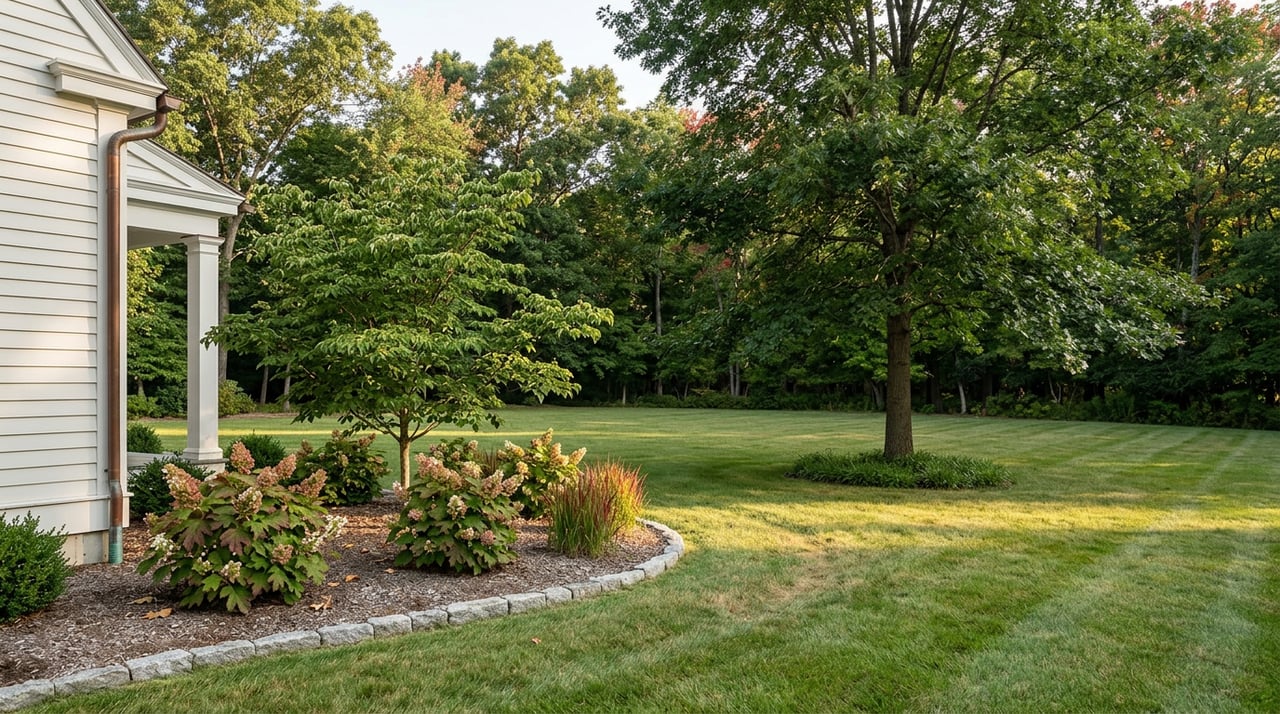
A buyer walks through the inspection on a wooded lot west of downtown New Canaan, gets a clean report on the roof, the furnace, the well water, and the septic tank, and closes with a sense that the hard part is behind them. Eight months later they call a pool contractor, and the contractor asks a question nobody mentioned during the transaction: has a reserve septic plan been filed with the Health Department?
Most buyers have never heard the phrase. In New Canaan, it can stop a renovation before it starts.
A standard home inspection tells you whether a septic system is functioning today. It does not tell you whether the property can support the addition, the finished basement, or the pool the new owner has already priced out. That second question belongs to a separate process, and the town is explicit about the order of operations. Per New Canaan's Health Department, if a home is on a septic system and the owner plans to remodel, build an addition, or add an accessory structure such as a barn or pool, a code-compliant reserve septic plan has to be on file before the building permit application is even submitted.
That sequencing is the part people miss. It is not a box checked during permitting. It is a prerequisite to permitting, and the process behind it takes time:
None of this happens overnight, and none of it is retroactive to the inspection period. A buyer who assumed the septic conversation ended at closing is often the same buyer calling the Health Department in month nine asking why their pool contractor is stuck.
The reason this catches people off guard here specifically has to do with how New Canaan's infrastructure was built. The town's sanitary sewer system dates to 1907, when the first pipes went in, and today it runs to more than 900 manholes across over 30 miles of pipe, according to a detailed account of the system published by the New Canaan Sentinel in April 2026. But that network, as town engineer Maria Coplit told the Sentinel, covers only the more central sections of town. Everywhere else, homes rely on private septic.
That matters because New Canaan's large-lot inventory, the estate parcels on Oenoke Ridge, the wooded acreage west and south of downtown, the properties that draw buyers to this town in the first place, sit largely outside that central sewer footprint. The septic conversation is not a niche concern here. It is the default condition for a meaningful share of the homes Angela shows.
The Sentinel piece also traces how far the town's treatment has come. Before the 1999 upgrade to the plant on the Fivemile River, plant superintendent Nick Colabella told the Sentinel the waste water simply
"went on a big open field full of sand, and the water would sink through"
with the leftover debris scraped off and burned. Today that same plant processes several hundred thousand gallons a day, every day, whether the source is a sewer lateral or a septic hauler's tank. The infrastructure has modernized. The permitting rules that sit upstream of it have not gotten any less specific.
Even after a reserve plan is approved, geography imposes its own limits. New Canaan's town code sets a minimum separation of 75 feet between any septic system and a well used for drinking water, a rule that applies regardless of exception requests under state code. For pools, the setback is 25 feet from an in-ground pool and 10 feet from an above-ground one. On a lot with an existing well, an existing leach field, and a buyer's vision for a pool in a specific spot on the lawn, these three numbers can eliminate more of the yard than most people expect before a single shovel goes in the ground.
This is precisely the kind of detail that a septic system engineer will map before drawing a reserve plan, and precisely the kind of detail that never comes up during a walkthrough with a real estate photographer standing in the driveway.
There is a second layer to this that makes 2026 a specific year to pay attention, not a generic caution that applies every year equally. Connecticut's statewide Technical Standards for Subsurface Sewage Disposal Systems, the rules that define what "code-compliant" actually means for a reserve plan, were scheduled for an update in July 2025. Under Public Act 25-97, that update was delayed a full year, to July 1, 2026, which means the new standards are now in effect as of this writing.
For anyone with a reserve plan approved before that date, or anyone assuming an older engineer's plan is still current, this is worth confirming directly with the Health Department rather than assuming continuity. A plan that was compliant under the prior standard is not automatically compliant under the revised one, and the gap between "approved a year ago" and "approved under the current rule" is exactly the kind of thing that surfaces during a title search or a permit review, not before.
Connecticut's own numbers put this in context. Statewide, an estimated 40 percent of residents, close to 1.5 million people, live in homes served by on-site septic rather than public sewer. New Canaan's share of large, unsewered lots puts many of its most desirable properties squarely inside that population.
If your property runs on septic and you know a future owner is likely to want a pool, an addition, or a finished lower level, having a current reserve plan on file before you list removes a point of friction that would otherwise surface during a buyer's due diligence. It also gives you a clean answer when a buyer's agent asks the question directly, rather than a promise to look into it after an offer is already in hand.
Before you write an offer with renovation plans attached, a call to the New Canaan Health Department to ask whether a reserve plan already exists for the property, and whether it predates the 2026 standards update, costs nothing and can save months. The soil testing and engineering step alone can take longer than most people budget for when they are counting down to a closing date.
Does every septic property in New Canaan need a new reserve plan under the 2026 standards? Not automatically. The requirement is triggered by specific building activity, an addition, an accessory structure, or a remodel that changes the footprint or use. A property with no renovation plans on the horizon is not required to update its plan simply because the statewide standard changed. The prudent move if you are buying or selling and any renovation is even possible is to ask the Health Department whether the file on record predates July 2026.
Who actually performs the soil testing? A licensed septic installer or a professional engineer, and the testing has to be witnessed by the Health Department itself. This is not something a general contractor can self-certify.
Does this apply to properties already connected to the town's sanitary sewer? No. The reserve plan requirement is specific to septic-served properties. If a home sits within New Canaan's central sewer coverage area, this entire process does not apply, which is one more reason it pays to know which system serves a given address before making assumptions based on a neighboring street.
Septic timing is the kind of detail that rarely shows up in a listing description and almost never comes up until a buyer is already emotionally committed to a renovation plan. Knowing which side of that line a property falls on, and when, is part of what separates a smooth closing from a stalled one.
If you are weighing a purchase or a sale on a septic-served lot in New Canaan, Angela Alfano can help you get ahead of the permitting timeline before it becomes a problem. Book a consultation to talk through the property specifics before you write or accept an offer.
Whether you are selling one of the mid-size single-family homes in Fairfield County or a luxurious acreage estate, Angela has garnered a reputation for being personable, friendly, and willing to go above and beyond to ensure her clients get the possible outcomes. Her goal is always to exceed client expectations.